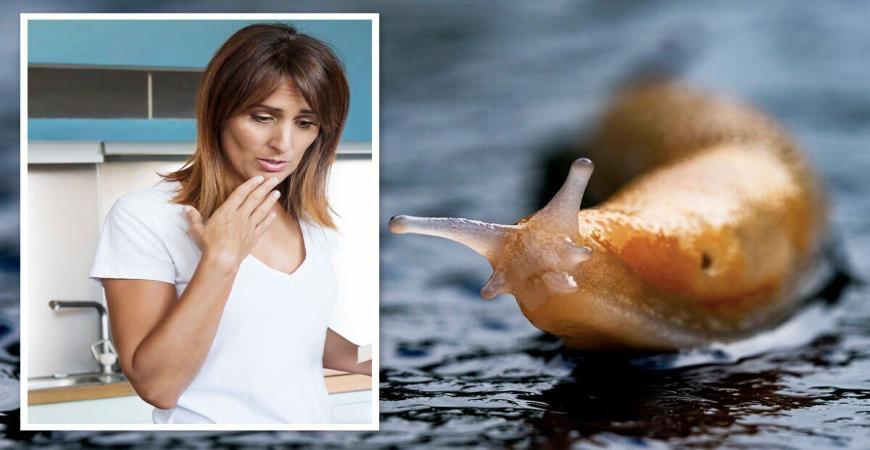
Finding a slug in your kitchen or bathroom can be unsettling — and it’s more common in the UK than most people realise. Slugs often sneak into homes at night through tiny gaps, searching for warmth, moisture, or leftover food.
While they may seem harmless, slugs can leave behind slime trails, unpleasant smells, and even contaminate surfaces. This guide explains why slugs come indoors, how to stop them, and how to keep your home permanently slug-free.
1. Why Slugs Enter Homes
Slugs don’t mean to invade — they’re simply seeking the right conditions to survive.
-
Moisture: Slugs thrive in damp environments such as kitchens, bathrooms, and utility rooms.
-
Warmth: They often enter at night to escape cold, wet soil.
-
Food sources: Pet food, compost bins, and even damp cardboard attract them.
-
Access points: Slugs squeeze through gaps as small as 1mm — under doors, through vents, or cracks in flooring.
💡 If you see slime trails indoors, they’ve likely been entering overnight and returning to damp spots by morning.
2. Common Entry Points to Check
Inspect your home carefully — especially the following areas:
-
External door frames (especially back or patio doors).
-
Gaps around skirting boards or flooring.
-
Ventilation bricks and air grilles.
-
Utility pipe openings (e.g., for washing machines or boilers).
-
Cat flaps or pet doors.
Tip: Shine a torch at night — slugs often leave faint silver slime trails showing exactly where they entered.
3. How to Stop Slugs Coming Inside
Once you find where they’re entering, take action:
Seal All Entry Points
-
Use silicone sealant or expanding foam around door frames and floor edges.
-
Install door sweeps or draught excluders.
-
Check skirting boards and fill visible gaps.
Reduce Moisture Indoors
-
Use dehumidifiers or open windows regularly.
-
Fix leaks under sinks or behind washing machines.
-
Avoid leaving damp towels or pet bowls overnight.
Keep It Clean and Dry
-
Wipe kitchen floors and counters before bed.
-
Don’t leave pet food out overnight.
-
Clear away compost bins or plant pots close to entry doors.
4. Natural Remedies for Indoor Slugs
If you prefer not to use chemicals, try these safe methods:
-
Salt barriers: Sprinkle fine salt near known entry points (but avoid carpets).
-
Copper tape: Stick around door thresholds — slugs receive a mild electric deterrent.
-
Beer traps: Shallow containers with beer attract and trap slugs.
-
Cat litter or sand: Place dry material in known entry zones to absorb moisture and discourage entry.
5. When to Call a Professional
If slugs keep returning despite prevention:
-
There may be hidden damp issues inside walls or floors.
-
Slug infestations can indicate subfloor moisture or plumbing leaks.
-
Pest control experts can trace entry points and apply non-toxic deterrents safely.
How Sort a Home Can Help
With Sort a Home, you can:
-
Hire pest control experts to eliminate indoor slug infestations safely.
-
Book handymen to seal gaps and install draught excluders.
-
Find plumbers to fix leaks that attract pests.
👉 Book Slug Pest Control Services through Sort a Home today to protect your home from slug invasions.
Customer Experiences Across the UK
-
“We had slugs in our kitchen every night. Sort a Home connected us with a pest expert who sealed the vents and solved it for good.” – Louise
-
“In Manchester, a handyman sealed our door gaps and fixed a leaking pipe. No slugs since!” – Dan
-
“Our Birmingham pest control team was brilliant — safe and effective methods.” – Priya
Final Thoughts: Keep Slugs Outside Where They Belong
Slugs enter homes for warmth and moisture, but with the right prevention, they’ll stay outside where they belong. Check for gaps, fix leaks, and keep damp areas dry. A clean, sealed home not only keeps out slugs but also prevents other pests.
Book Slug Pest Control Today
👉 Visit Sort a Home Pest Control Services to remove slugs safely and make your home pest-free.


